
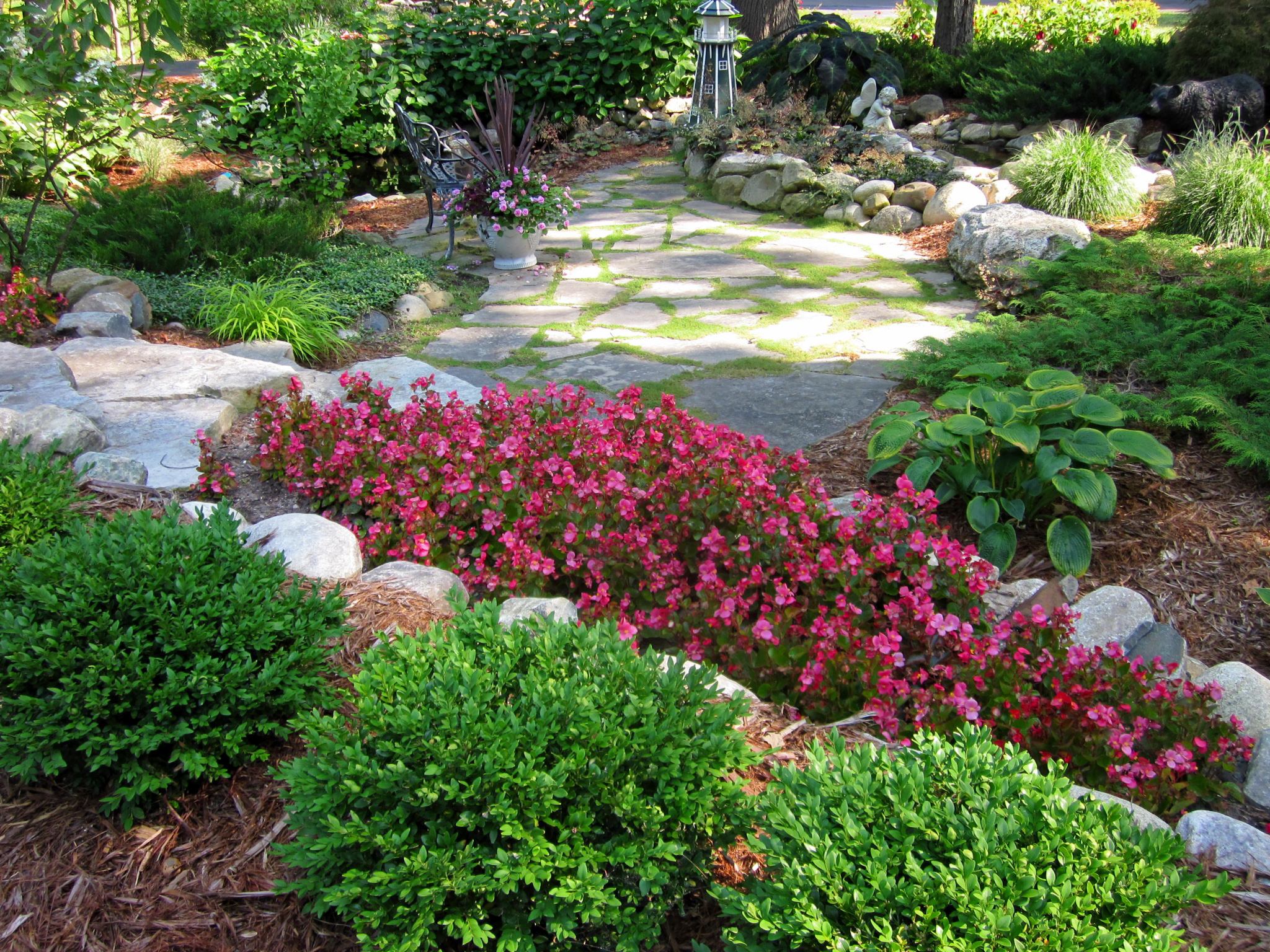
Caring for Your New Plants
Caring for a newly planted landscape can feel a bit overwhelming at first, but it doesn’t have to be. Follow the simple guidelines below to help your plants settle in and stay healthy for years to come.
Getting Your New Plantings Established
The first three months after planting is a critical time for your new plants, so it is essential that you keep a close eye on them, particularly their watering needs.
During this establishment period, plants are recovering from being handled, transported, removed from their pots, and placed in the ground. At this time they begin developing new root systems, making consistent watering the most important part of their care.
Once established, your plants will settle into a regular routine of watering, fertilizing, and pruning. This ongoing maintenance may be less time-sensitive, but it’s just as important for keeping them healthy for the long term.
Tips for Successful Establishment
Once your planting project is complete, before we leave your property, we’ll water your new plants thoroughly and, if you have an irrigation system, we will set it for their short-term needs. From that point on, it will be important for you to monitor your plants and adjust their care as needed.
Keep a close eye on your new plants
Check them several times a week for signs of wilting. Check the soil 3–6 inches below the surface, it should be moist, but not overly wet. Because their roots are still small, new plants often need more frequent watering during their first three months than established plants do.
Water only when needed
Every landscape is different, so watering needs will vary depending on the weather, soil, and conditions around your home. Use the recommendations below as a starting point during the establishment period, adjusting as necessary for your plants and property.
Watering recommendations
If you have a drip irrigation system:
• Run it 2–3 times per week for 30–45 minutes.
If you’re watering each plant by hand with a hose, water 2–3 times per week for approximately:
• Perennials: 30 seconds each
• Shrubs: 1 minute each
• Trees: 10–15 minutes each, with the hose set to a slow trickle and placed near the base of the tree.
NOTE: Hand-watering each plant may not be practical if your landscape includes a large number of new plants. As an alternative, you can set up sprinklers in your planting beds or use store-bought soaker hoses with faucet timers. For either option, follow the timing recommended above for drip irrigation, adjusting as needed for your conditions.
New plants generally benefit from plenty of watering during their first few weeks, it would be difficult to overwater. After that, however, too much water can be just as harmful as too little. Check the soil regularly and water only when needed.
What to Expect During Establishment
As your plants settle in you may notice some of the following occurences, these are common after a landscape installation and aren’t cause for concern.
Minor handling damage
Before being installed in your landscape, plants are handled and moved several times. A few weeks after planting, you may notice small brown branches or areas of foliage, especially on evergreens such as junipers and arborvitaes. These are usually the result of minor breakage and can simply be pruned, picked, or brushed away. These will not affect the plant’s overall health.
Transplant shock
Large deciduous shrubs, such as Viburnum and Ninebark, and deciduous trees, such as Maple, Birch, and Crabapple, may develop fall color or drop their leaves earlier than usual. This is a common response to transplanting, however, it may be the result of a moisture issue, so be sure to check the soil regularly.
Some weeds in your planting beds
Preparing planting beds and adding new soil will bring weed seeds to the surface, where they may begin to grow. We apply preventive weed-control products to help limit them, but it’s normal for weeds to appear in a new landscape.
After the Establishment Period
After the first three months, your plants should be through their establishment period and ready for a more routine, long-term approach to maintenance.
Watering
Your watering schedule should adjusted. Some plants may receive enough moisture from rainfall alone, EXCEPT during hot, dry, or drought-like conditions. Because every property is different, continue monitoring the soil and adjust your watering as needed.
Ongoing care
Fertilizing, pruning, weeding, and monitoring soil moisture will now become part of your regular landscape maintenance. How much attention these tasks require will depend on your plants, your property, and how you’d like your landscape to look over time.
Fertilizing
Regular feeding can help keep your plants healthy and encourage strong growth. During the growing season, you can apply a water-soluble fertilizer, such as Miracle-Gro, every two weeks. For a lower-maintenance option, use a slow-release granular fertilizer once in the spring and again in late summer. Choose a high-quality product suited to your plants and follow the package directions carefully.
Pruning
As your plants grow, occasional pruning will help manage their size, health, shape and removal of dead or damaged branches. The best timing and technique will vary by plant. Visit our website for specific guidance, or give us a call or click here, we’ll be happy to help with professional pruning services when needed.
Maintenance Service & Program Offerings
Dedicated Property Managers are available to walk your property monthly to make recommendations and evaluate your landscape.