
Will Your Irrigation System Be Ready When the Dry Weather Returns?
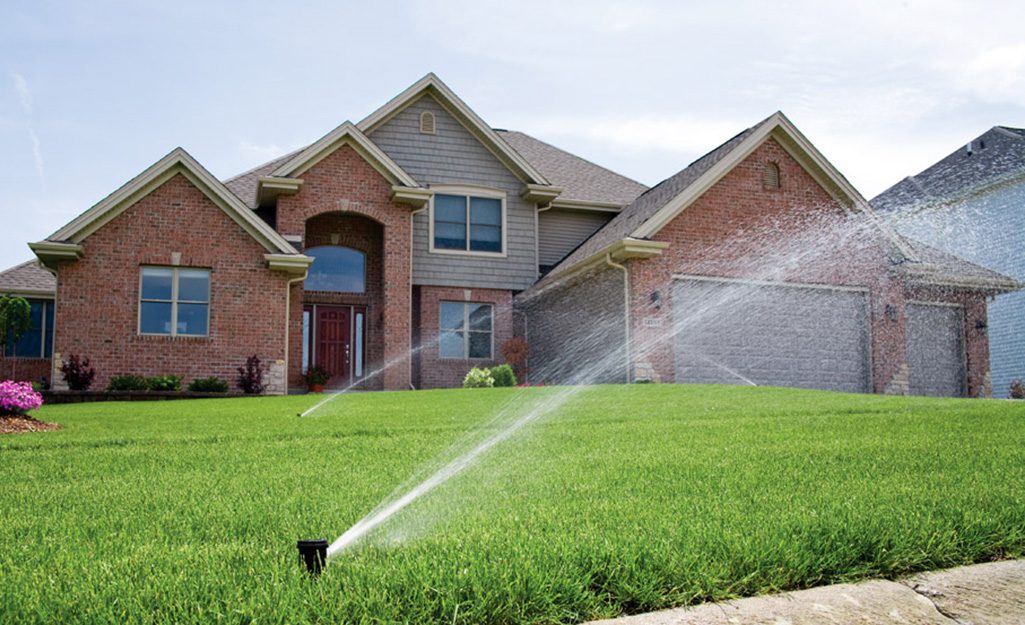
Just a few weeks ago, much of the Great Lakes Bay Region was experiencing increasingly dry conditions. Lawns were beginning to show signs of stress, soils were drying out, and many homeowners were becoming concerned about the possibility of drought conditions developing. Then the weather pattern shifted. Over the past couple of weeks, we’ve received frequent rainfall across much of the area, giving landscapes a much-needed break and replenishing moisture in the soil.
Now, with forecasts calling for warmer temperatures and drier conditions once again, many lawns may soon face another stretch of dry hot weather. While the recent rain has been beneficial, it doesn’t necessarily mean your lawn is fully prepared to weather another dry spell.
The Recent Rain Helped But It Doesn’t Last Forever
One of the most common misconceptions about lawn care is that a week or two of rain eliminates the need to think about irrigation when in reality, moisture levels can change surprisingly quickly. With our region’s mainly sandy or sandy-loam soils, they drain well but don’t always hold water for extended periods. Once the rain stops, several factors immediately begin pulling moisture back out of the soil. Temperature plays a role, but wind can be just as important. Warm, breezy conditions accelerate evaporation from the soil and increase the amount of water turfgrass releases through its leaves. In other words, a few sunny, windy days can dry out a landscape much faster than many homeowners expect. That’s why lawns that looked healthy after a rainy period can begin showing signs of stress again only days later when temperatures rise and winds increase.
Signs Your Lawn May Be Feeling Thirsty
As dry conditions return, watch for early warning signs including; folding or curling grass blades, a bluish-gray or dull color, footprints not bouncing back and remaining long after you’ve walked across the lawn, and thin or patchy areas developing. Some of the very first areas that will be affected are near sidewalks, driveways, and south-facing lawns. If you notice any of these symptoms it’s a good indication that the lawn is starting to conserve moisture and may benefit from additional watering.
Understanding the Role of Your Irrigation System
It’s important to remember that sprinkler systems are designed to supplement natural rainfall, not completely replace it. A healthy lawn typically performs best when it receives a combination of rainfall and irrigation throughout the growing season. Most established Michigan lawns require approximately 1 to 1.5 inches of water per week from all sources combined.
During periods of average rainfall, your irrigation system may only need to provide a portion of that total. During extended dry periods, however, rainfall may contribute very little, meaning your irrigation system must make up the difference. This is where many lawns run into trouble.
Why “Set It and Forget It” Doesn’t Always Work
Many irrigation systems are programmed in the spring and then left unchanged throughout the season. While convenient, weather conditions rarely stay the same for months at a time. The schedule that worked perfectly during cooler temperatures and occasional rain may not provide enough water during periods of heat, sun, and wind.
If your lawn was beginning to look stressed during the dry spell we experienced earlier this summer, there’s a good chance your current watering schedule may not be supplying enough moisture during similar conditions. Likewise, after extended rainy periods, irrigation schedules may need to be reduced to avoid overwatering.
The goal isn’t simply to have your sprinklers running, it’s to make sure they’re applying the right amount of water for current conditions.
Is Your System Ready for the Next Weather Swing?
Now is a good time to evaluate how your irrigation system is performing before hot, dry conditions return. Things to check for; run times, uneven coverage causing areas to get too much or too little water, overspray onto sidewalks and driveways, clogged or misaligned sprinkler heads, and leaks or damaged components. Small adjustments can often make a significant difference in how effectively your lawn handles periods of environmental stress.
Preparing Now Can Prevent Problems Later
The recent rainfall has been a welcome relief for lawns throughout the region, but summer isn’t over yet. As temperatures climb and conditions dry out again, landscapes that were already showing signs of stress may quickly begin struggling once more. Taking a few minutes to assess your lawn and irrigation system now can help ensure your landscape has the moisture it needs when the next dry stretch arrives. After all, healthy lawns aren’t created by rainfall alone or irrigation alone, they’re the result of the right balance between the two.
Unsure of your watering schedule and your landscape’s needs? Give us a call at 989-835-8260 or click here and we can have a technician assess your property and make adjustments as necessary.