
What to do with spring bulbs when they’re done blooming?
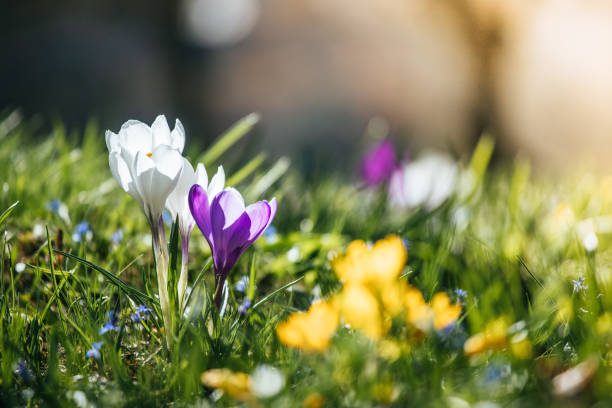
Spring bulbs put on a great show, but what happens after they bloom is just as important as the display itself. The way they’re handled now directly impacts how they perform next year.
Let the foliage work a little longer
Once blooms fade, it’s natural to want to clean things up. But those leaves still have a job to do. They’re feeding the bulb for next year’s growth. It’s best to leave foliage until it yellows and pulls away easily. Cutting it back too early can reduce bloom size and overall performance the following spring.
Remove spent blooms
While the foliage stays, the flowers can go. Removing spent blooms helps redirect energy back into the bulb instead of seed production. This is especially worthwhile with tulips, which benefit from every bit of stored energy they can get.
Water and nutrients still matter
Even though the color is gone, the plant is still active below the surface. Consistent moisture during this stage supports that process. A light application of fertilizer after blooming can also help replenish nutrients in the soil, particularly in beds that have been in place for several seasons.
Not all bulbs behave the same
Some bulbs are reliable year after year. Others, not as much.
- Daffodils, crocus, and alliums tend to naturalize well and often multiply over time.
- Tulips are less predictable. While they can return, they often lose vigor after the first year. Because of that, it’s common to refresh tulip plantings each fall to keep displays looking full and consistent.
TIP: If blooms are becoming smaller or more sparse, overcrowding is often the cause. As bulbs multiply underground, they begin competing for space and nutrients. Dividing them every few years helps restore performance. Spacing them out gives each bulb room to develop, leading to stronger growth and better blooms.
Plan for what comes next
One of the challenges with spring bulbs is that in-between stage, when foliage is fading but still needs to remain. Thoughtful planting makes a difference. Pairing bulbs with later-emerging perennials or groundcovers helps fill in the space naturally, keeping beds looking clean and intentional as the season shifts.
Spring bulbs may have a short window in the spotlight, but their care doesn’t end when the blooms fade. A little attention at this stage helps ensure they come back with the same impact (or better!) the following year.